
Abstract
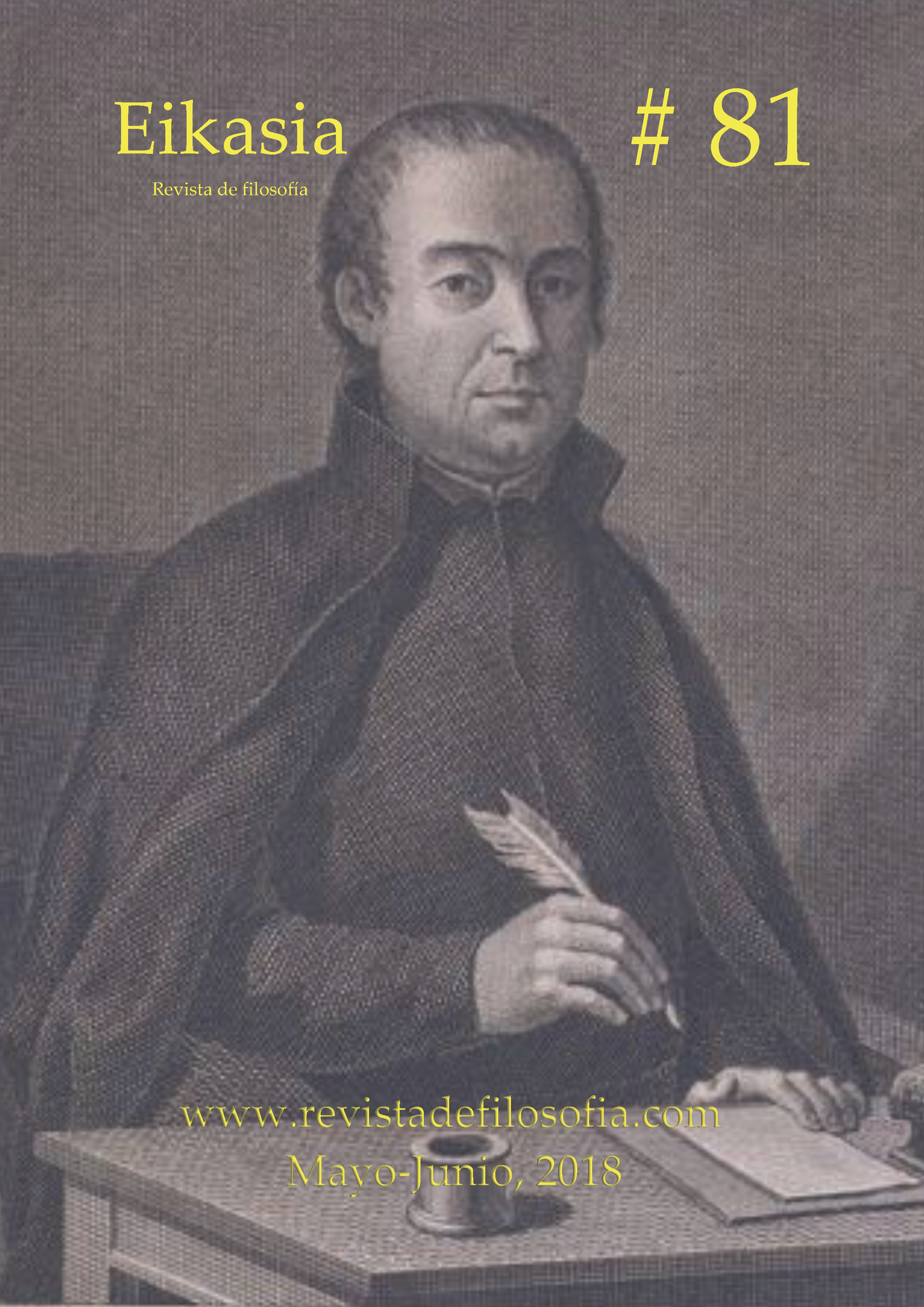
The Universalist School of the 18th century is one of the major currents of the European Enlightenment, a largely Spanish current that, nevertheless, evolved into an intercontinental Hispanic school. The Universalist School can be specified as Spanish, Hispanic, and even Hispano-Italian. The fact that the Universalist authors were mostly Jesuit professors or intellectuals, and that these Jesuits were expelled from Spain and its viceroyalties in 1767 during the reign of Charles III, establishes that the School, once it spread throughout the Americas and the Philippines, became evident as a Hispanic nucleus in Italy, the country chosen to receive these exiles. Moreover, the culminating works of the School were originally written in Italian, only later translated into Spanish, and we are in any case dealing with a universal Hispanic entity, thus providing the ultimate justification for its very concept.

This work is licensed under a Creative Commons Attribution-NonCommercial-NoDerivatives 4.0 International License.
Copyright (c) 2018 Asociación de Filosofía Eikasía