
Keywords
How to Cite
Abstract
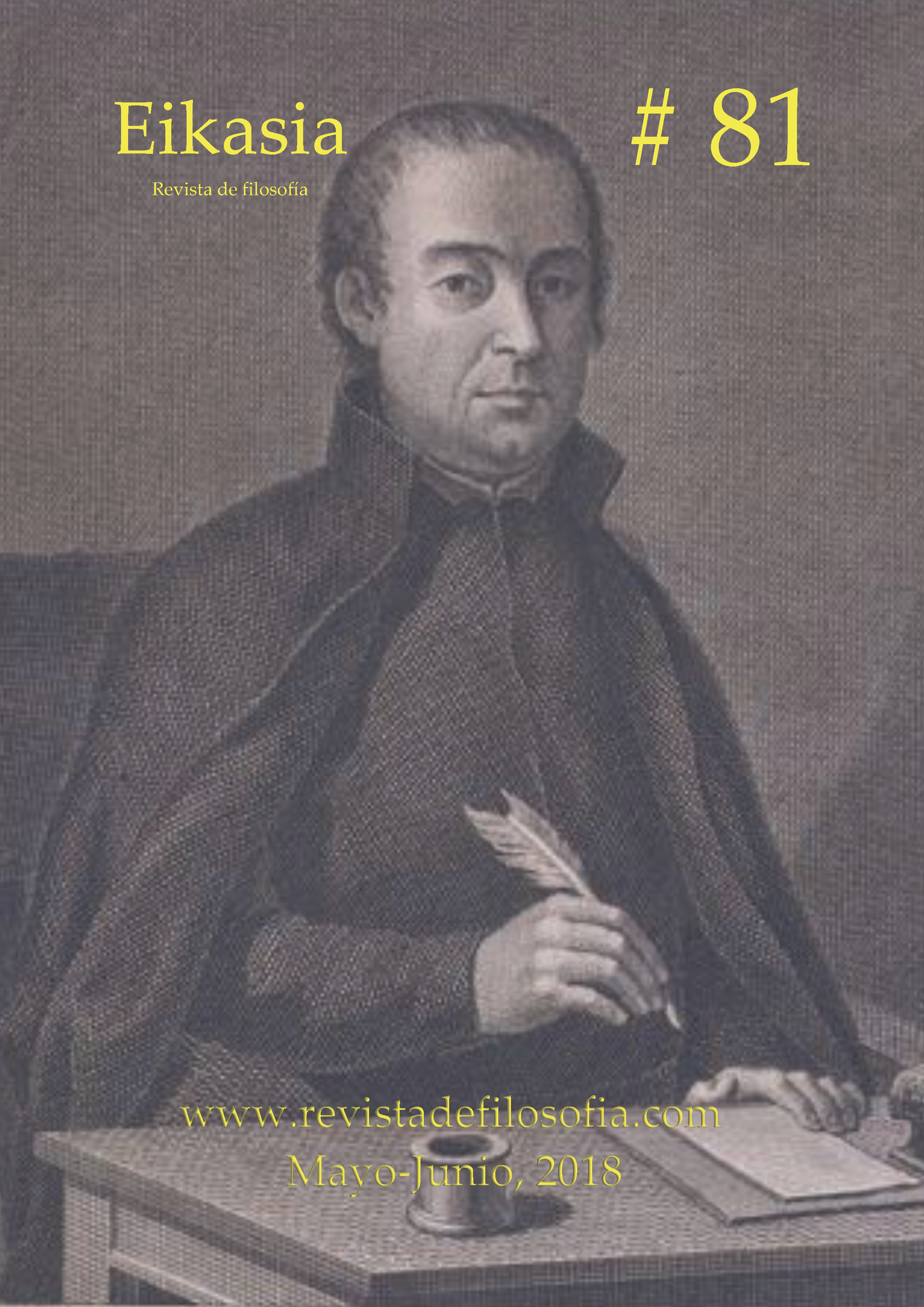
This article looks into the intellectual context of the historiographic writings of Mexican Jesuit Francisco Javier Clavijero (1731-1787), whose work, Historia antigua de México (1780), belongs to the context of the Hispano-Italian Enlightenment or the Spanish Universalist School as a reaction of Christian universalism against the embezzlement of the Protestant Enlightenment on evangelization in America. On the other hand, the article also observes the epistemological change operated in eighteenth-century historiography in terms of the impact of the natural or biological sciences, which actually founded the fallacy of a “racial superiority” to the detriment of philology and the comparison of languages and texts. Finally, given his knowledge of Náhuatl and other Mexican indigenous languages, Clavijero put into practice the philology in his historical work.

This work is licensed under a Creative Commons Attribution-NonCommercial-NoDerivatives 4.0 International License.
Copyright (c) 2018 Asociación de Filosofía Eikasía